October 12, 2026
Operator habits can affect the condition of heavy machinery, particularly when equipment is subjected to demanding work or improper use. Excessive force, misuse, and failure to recognize developing equipment problems can contribute to unnecessary wear and damage. Understanding how equipment is affected by day-to-day operation can help businesses make more informed decisions about maintenance and repairs.
Regular maintenance, timely diagnostics, and appropriate repairs can help address equipment concerns before they become more extensive. Heavy equipment may require attention to hydraulic systems, structural components, undercarriages, buckets, crushing equipment, and other critical components as wear develops. This article explores ways to reduce unnecessary equipment damage while highlighting maintenance and repair considerations that can help keep heavy machinery in working condition.
Routine Maintenance Needs
Operators often adopt habits that inadvertently cause damage to machinery. Excessive speed, aggressive operation, and improper use can place unnecessary stress on equipment components. These practices can contribute to excessive wear, damaged parts, and mechanical problems, making appropriate heavy equipment services an important consideration when equipment begins showing signs of damage.
Routine maintenance can also help identify equipment issues before they develop into more extensive repairs. Regular inspections and preventive maintenance provide opportunities to address worn or damaged components, hydraulic concerns, structural issues, and other problems that can affect equipment performance. Keeping up with maintenance can also help reduce unexpected equipment downtime and determine when heavy equipment services may be needed.
Professional maintenance can include fluid changes, filter changes, component repairs, component replacements, and diagnostic troubleshooting. On-site maintenance is also available when equipment needs attention at the worksite. These heavy equipment services can address maintenance and repair needs without requiring every machine to leave the location.
Heavy Equipment Limitations
Heavy equipment can experience substantial wear when components are subjected to demanding working conditions. Recognizing signs of damage or excessive wear can help operators and equipment managers determine when maintenance or repairs are needed. Addressing these concerns before they become more extensive can help limit downtime and protect critical equipment components.
Hydraulic systems, structural components, undercarriages, buckets, and other heavy equipment components can require attention as wear develops. Professional diagnostics can help identify problems, while repairs and rebuilds can address damaged or worn components. Depending on the equipment and repair needs, heavy equipment services can include hydraulic repairs, component rebuilds, structural repairs, bucket repairs, and undercarriage repairs.
Equipment used in demanding construction and mining environments can also benefit from appropriately selected replacement and wear components. Ground engaging tools, wear liners, cutting edges, wear runners, hydraulic components, and other heavy equipment parts can help address normal component wear and equipment repair needs. Selecting appropriate components can also support repair work when existing parts become worn or damaged.
Timely Equipment Support
When heavy equipment develops signs of wear, damage, or mechanical problems, timely support can help determine the appropriate next step. Equipment diagnostics and troubleshooting can help identify issues affecting performance, while repairs can address damaged or worn components. These heavy equipment services can help determine the work needed to return equipment to working condition.
Some equipment problems may require more extensive work than a straightforward repair. Component rebuilds can restore worn systems, while hydraulic system overhauls, engine overhauls, bucket rebuilds, and other specialized repairs can address larger equipment needs. These options can help restore equipment without automatically requiring complete replacement.
When equipment needs attention at the worksite, on-site support can provide another option. Field services include on-site maintenance, emergency repairs, welding, hydraulic repairs, parts replacement, diagnostics, and other equipment support based on the specific repair needs. Having access to heavy equipment services can help address problems where the equipment is being used.
Proactive Maintenance Planning
A proactive maintenance approach can help identify equipment concerns before they develop into more extensive repair needs. Regular inspections and preventive maintenance can provide an opportunity to address worn components, hydraulic issues, structural concerns, and other problems affecting heavy equipment. This approach can also help identify when additional heavy equipment services are appropriate.
Professional maintenance can include fluid changes, filter changes, component repairs, component replacements, and diagnostic troubleshooting. Addressing these needs as part of an ongoing maintenance plan can help keep equipment prepared for demanding construction and mining applications. Regular maintenance can also help identify developing concerns before they require more extensive repairs.
When maintenance or repairs are needed at the worksite, on-site support can make it possible to address equipment needs without moving the machinery to another location. Field maintenance, emergency repairs, hydraulic work, welding, diagnostics, and parts replacement are among the support options available for heavy equipment. These heavy equipment services can provide practical support for equipment operating in demanding environments.
Effective Equipment Repairs
Recognizing equipment problems early can help prevent minor wear or damage from developing into more extensive repair needs. Diagnostics and troubleshooting can help identify the source of equipment problems, while repairs can address damaged components and restore equipment function. Timely heavy equipment services can help address these concerns before they require more extensive work.
Repair needs can vary considerably depending on the type of machinery and the components involved. Services can include hydraulic repairs, frame and structural repairs, undercarriage repairs, bucket repairs, crushing equipment repairs, component rebuilds, and other heavy equipment repairs. These repair capabilities allow equipment concerns to be addressed according to the condition and components involved.
For equipment with significant wear or damage, rebuilding can provide another repair option. Engine rebuilds, transmission rebuilds, hydraulic system rebuilds, hydraulic cylinder repairs and rebuilds, and other component rebuilds can restore worn equipment components and help extend their usable service life. Rebuild work can provide an alternative when individual components require more extensive attention.
Accurate Equipment Diagnostics
Equipment diagnostics can help identify problems affecting heavy machinery before repair work begins. Troubleshooting can help determine which components or systems require attention, allowing repair needs to be evaluated based on the condition of the equipment. This diagnostic process can help determine which heavy equipment services are appropriate for a particular repair need.
Diagnostic and repair work can involve hydraulic systems, mechanical components, structural components, undercarriages, crushing equipment, and other heavy equipment systems. Identifying the source of a problem can help determine whether the equipment requires a repair, component replacement, rebuild, or more extensive service. This can help direct attention toward the affected systems and components.
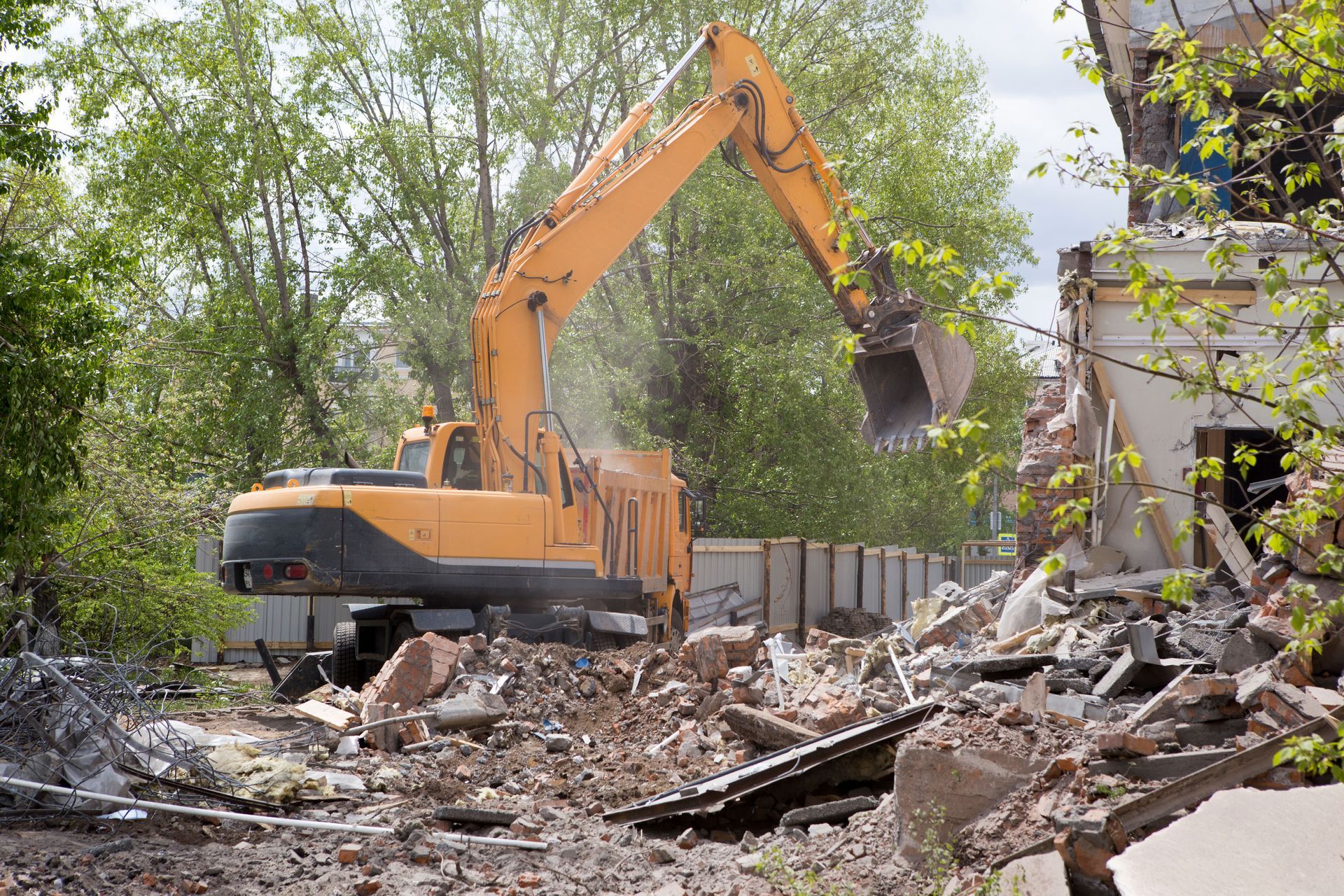
According to Mordor Intelligence, excavators represented 36.28% of the North American construction equipment rental market in 2025 due to their use in foundation digging, trenching, and demolition. Heavy machinery used for demanding applications can require maintenance and repair as components experience wear. When equipment requires work in the field, on-site support can also provide diagnostics and troubleshooting at the worksite.
Proper equipment use, regular maintenance, and timely repairs can all contribute to keeping heavy machinery in working condition. Recognizing signs of wear and addressing developing problems can help reduce unnecessary downtime while preventing smaller concerns from becoming more extensive repair needs. Taking action when equipment shows signs of damage can also help determine when heavy equipment services are needed.
To learn more about available heavy equipment repair, maintenance, parts, and support services, learn more about Heavy Equipment Machinery Inc and its capabilities. The available heavy equipment services can address a range of repair, maintenance, parts, and equipment support needs. Contact the company to learn more about how its capabilities can support construction and mining equipment.