March 21, 2026
In the high-stakes world of fluid power, seemingly minor installation errors can lead to catastrophic system failures. Among these, the subtle twisting of a hose is one of the most destructive yet frequently overlooked issues. Modern hydraulic systems serve as the vital infrastructure for heavy industry, and maintaining their reliability is paramount for operational success. When a hose is installed with even a slight rotational strain, it creates internal torque that fights against the high-pressure pulses of the machine. This constant internal battle weakens the reinforcement layers and leads to premature bursting or leaking. By focusing on precision during maintenance and assembly, operators can ensure their machinery remains productive and safe. Understanding the mechanics of these components is the first step toward achieving long-term equipment durability and successful hydraulic hose repairs.
The Drastic Impact of Rotational Strain
The physical consequences of a twisted hose are severe and immediate. Under normal conditions, a hydraulic hose is designed to expand and contract slightly in length as pressure fluctuates. However, when a twist is introduced, the hose can no longer move naturally. This restriction causes the internal wire braids to rub against each other, generating heat and friction that eventually wears through the rubber carcass. Beyond the physical wear, twisting restricts the internal diameter of the hose, which can lead to turbulence and heat buildup in the hydraulic fluid. These inefficiencies force the entire system to work harder, consuming more fuel and putting unnecessary stress on pumps and valves. Professionals who prioritize correct alignment during hydraulic hose repairs can prevent these cascading mechanical failures and ensure smooth operations.
Statistical Evidence of Reduced Service Life
The relationship between the orientation and longevity of the hose is supported by striking technical data. According to Marshall Equipment, the functional lifespan of a high-pressure hydraulic line can be slashed by 70% if it is subjected to a twist of a mere 5°. This means that an error nearly invisible to the naked eye can force a replacement three times sooner than necessary. Such a massive reduction in durability highlights why precision is non-negotiable in fluid power applications. When technicians perform hydraulic hose repairs, they must look for the "lay line", the printed information running down the side of the hose. If this line spirals around the hose rather than running straight, the 70% reduction in service life is likely already in progress. Paying attention to these details ensures that investments in high-quality parts are not wasted by poor installation habits.
Primary Causes of Torsional Stress
Several factors contribute to the introduction of twist during the assembly process. The most common cause occurs when a technician tightens a fitting and allows the hose to rotate along with the nut. Without using a backup wrench to hold the hose steady, the torque from the tool is transferred directly into the hose body. Another frequent cause is improper routing through tight spaces. When a hose is forced to bend in multiple planes, such as moving both up and to the side, it naturally wants to twist to accommodate the path. If it is clamped too tightly in this twisted state, the stress becomes permanent. Identifying these risks during routine hydraulic hose repairs allows teams to correct the geometry before a failure occurs. Proper planning for the path of the hose is essential for long-term reliability.
Proper Use of Tools and Hardware
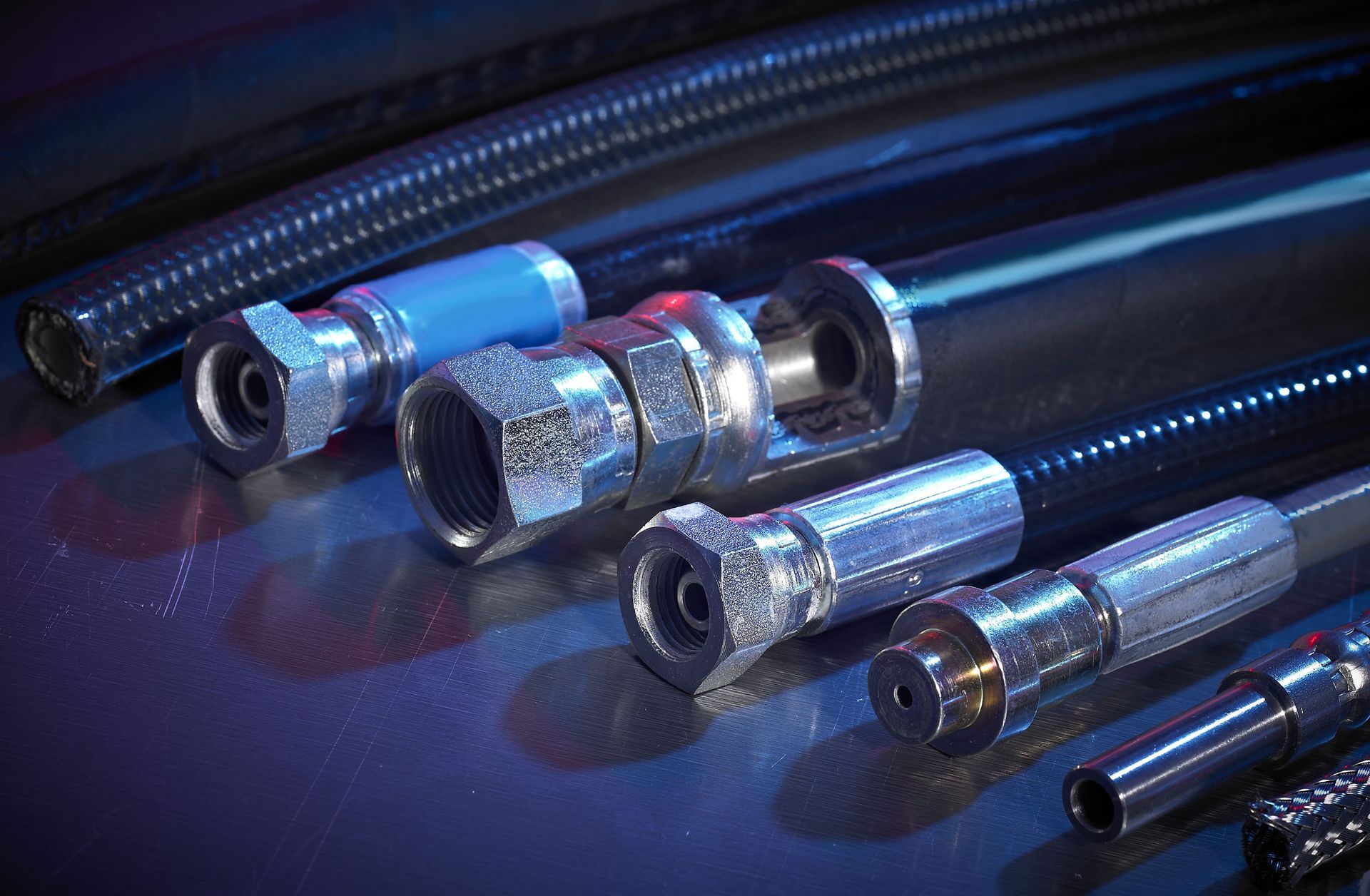
Utilizing the correct hardware can significantly mitigate the risk of twisting. Swivel joints and live swivel fittings are excellent additions to any system where movement is frequent. These components allow the hose to rotate freely during machine operation, absorbing the torsional forces that would otherwise damage the hose structure. During the process of hydraulic hose repairs, replacing rigid fittings with swivels can provide a much-needed upgrade to the system's resilience. Furthermore, the use of two wrenches during installation is a simple yet effective technique. One wrench holds the hose or the crimp fitting steady, while the second wrench tightens the nut. This "dual-wrench" method is a hallmark of quality workmanship and ensures the hose remains in a neutral, stress-free position after the connection is secured.
Visual Inspection and Quality Control
A simple visual audit is often enough to catch a potentially fatal twist. Technicians should always step back and view the entire length of the hose after installation. The lay line should be perfectly straight; any spiraling indicates that the hose is under tension. If a twist is discovered, the fittings should be loosened, the hose neutralized, and then re-tightened correctly. This extra minute of effort during hydraulic hose repairs can save thousands of dollars in downtime and replacement parts. Regular inspections should also look for signs of cover wear, which often points to a hose that is twisting or rubbing against another component. Catching these signs early allows for proactive adjustments rather than reactive emergency fixes. Consistency in these inspections builds a culture of mechanical excellence and equipment longevity.
Optimizing Hose Routing and Placement
Strategic routing is about more than just making the system look neat; it is about physical survival. Hoses should always be routed to bend in only one plane whenever possible. If a change in direction is required, using 45-degree or 90-degree elbow fittings can prevent the hose from having to twist into position. When performing hydraulic hose repairs, evaluate if the current routing is causing unnecessary strain. If the material appears to be fighting its position, it likely needs a different fitting or a longer length to allow for a natural radius. Avoiding the "S-bend" is particularly important, as this configuration often hides a twist in the middle section. By simplifying the path, technicians reduce the number of potential failure points and make future maintenance much easier for the entire team.
Enhancing Durability Through Better Design
Modern engineering offers many solutions to the problem of torsional stress. For instance, some manufacturers now offer hoses with more flexible reinforcement layers that can better tolerate minor components being out of alignment. While these do not eliminate the need for proper installation, they provide a safety margin for the technician. When planning hydraulic hose repairs for a fleet, it is worth consulting with a provider to see if a more resilient hose type is available for problematic areas. Some hoses are specifically designed for high-vibration environments or extreme temperature swings, both of which can exacerbate twisting issues. Selecting the right tool for the job is a fundamental part of professional maintenance. Using advanced materials alongside best-practice installation techniques creates a robust system that can withstand the rigors of any job site.
Professional Standards in Fluid Power
The hallmark of a quality service provider is the attention paid to the smallest details. In a world where speed is often prioritized over precision, taking the time to ensure a hose is perfectly aligned sets a professional apart. Every one of the hydraulic hose repairs made is a reflection of the shop's dedication to mechanical integrity. By following the 5-degree rule and ensuring that every connection is stress-free, technicians extend the life of the machine and the profitability of the business. It is this commitment to excellence that prevents the "quick fix" from becoming a "frequent fix." High-quality maintenance is an investment that returns value every day the machine stays in the dirt. Keeping these principles at the forefront of every project ensures that the hydraulic system remains the strong, silent heart of the operation.
Eliminating torsional stress is one of the most cost-effective ways to improve the reliability of heavy machinery. By understanding that a tiny 5-degree error can destroy the majority of the life of the hose, operators and technicians can shift their focus toward the precision required for high-performance systems. Implementing better routing strategies, using the correct tools, and conducting thorough visual inspections are simple steps that yield massive results. When these practices become standard, the frequency of emergency hydraulic hose repairs decreases, and the overall safety of the work environment improves. Maintaining the health of your hydraulic lines is a continuous process that requires vigilance, education, and a commitment to quality. For the highest level of service and parts for your fleet, contact Heavy Equipment Machinery Inc today.