May 13, 2026
Hydraulic systems are the backbone of modern equipment performance, powering everything from construction machinery to industrial production lines. When these systems operate efficiently, they enable precision, productivity, and profitability. However, when issues arise, even minor inefficiencies can cascade into costly downtime, safety risks, and operational disruption. That's why recognizing the early indicators that your system requires hydraulic hose repairs is critical to maintaining business continuity and protecting your bottom line.
Proactive maintenance is not just a best practice—it is a strategic imperative. Organizations that adopt a forward-looking service model can reduce total cost of ownership, extend equipment lifecycle, and enhance operational predictability. Below, we outline key signals that your equipment is communicating a need for hydraulic hose repairs, framed through consistent and parallel phrasing to support clarity and actionable insight.
1. Recognizing Visible Fluid Leaks as Immediate Red Flags
One of the most obvious indicators that your system requires hydraulic hose repairs is the presence of visible fluid leaks. Hydraulic systems are designed to operate as sealed environments, so any leakage represents a breakdown in system integrity. Whether it appears as a small drip, a fine mist, or a pooling of fluid beneath equipment, leakage should be treated as a high-priority issue.
Even minor leaks can escalate rapidly. According to Pneu-Hyd Industries, a hydraulic leak as small as one drop per second results in the loss of over 420 gallons of fluid per year. This level of inefficiency not only drives up operating costs but also compromises environmental compliance and workplace safety. Addressing leaks early through hydraulic hose repairs ensures that your system remains efficient, compliant, and secure.
2. Identifying Surface Cracks and Abrasions as Early Warning Signs
Surface-level damage such as cracks, abrasions, or fraying is a leading indicator that hydraulic hose repairs are imminent. These issues often result from environmental exposure, friction against equipment components, or general wear and tear over time. While they may initially appear cosmetic, these defects typically signal deeper structural vulnerabilities within the hose.
If left unaddressed, these imperfections can evolve into full-scale failures under pressure. By identifying and resolving these issues early, organizations can extend equipment lifespan and avoid unplanned outages. In a performance-driven environment, early detection translates directly into operational resilience and sustained asset performance.
3. Observing Bulging or Blistering as Signs of Internal Failure
Bulging or blistering along a hydraulic hose is a clear sign that internal damage has already occurred. These deformities typically result from trapped air, fluid permeation, or degradation of the hose's internal layers.
This condition represents a critical escalation point. A blistered hose is structurally compromised and at risk of sudden rupture, which can lead to safety hazards and immediate downtime. Organizations that prioritize predictive maintenance will treat these signs as urgent triggers for hydraulic hose repairs, ensuring that risks are mitigated before they materialize into costly incidents.
4. Detecting Reduced System Performance as a Functional Indicator
When equipment begins to underperform, the issue is often traced back to compromised hydraulic efficiency. Reduced pressure, slower operation, or inconsistent performance can all indicate that a hose is no longer maintaining optimal fluid flow.
This decline in performance is not just an inconvenience—it is a direct threat to productivity and output quality. Hydraulic hose repairs in these scenarios serve as a strategic intervention, restoring system efficiency and reinforcing operational standards. Over time, maintaining optimal performance also supports better energy efficiency and reduces strain on adjacent system components.
5. Noticing Unusual Noises or Vibrations as Diagnostic Clues
Unusual noises such as chattering, knocking, or excessive vibration should not be dismissed as routine wear. These auditory and physical signals often indicate internal restrictions, pressure inconsistencies, or hose degradation.
From a corporate operations perspective, these anomalies represent actionable data points. They provide early insight into system instability, allowing maintenance teams to intervene before performance degradation becomes critical. Timely hydraulic hose repairs based on these signals can prevent escalation and safeguard equipment integrity.
6. Monitoring Pressure Fluctuations as System Instability Signals
Consistent pressure is fundamental to hydraulic system performance. When fluctuations occur, they often indicate underlying issues such as internal hose wear, micro-cracks, or flow restrictions.
Pressure instability can have a ripple effect across the entire system, impacting precision, safety, and output. By addressing these inconsistencies through targeted hydraulic hose repairs, organizations can stabilize operations and maintain performance benchmarks. Consistent pressure management also contributes to safer working conditions and more predictable equipment behavior.
7. Evaluating Hose Flexibility Changes as Material Degradation Indicators
A hydraulic hose that becomes excessively stiff or overly soft is signaling material degradation. This change in flexibility is typically caused by exposure to extreme temperatures, chemical interactions, or prolonged operational stress.
Flexibility is a core functional attribute of hydraulic hoses. When it is compromised, the hose becomes more susceptible to cracking, kinking, and failure. Incorporating flexibility assessments into routine inspections enables early identification of issues and supports timely hydraulic hose repairs that preserve system reliability and adaptability.
8. Inspecting Fittings and Connections as Failure Points
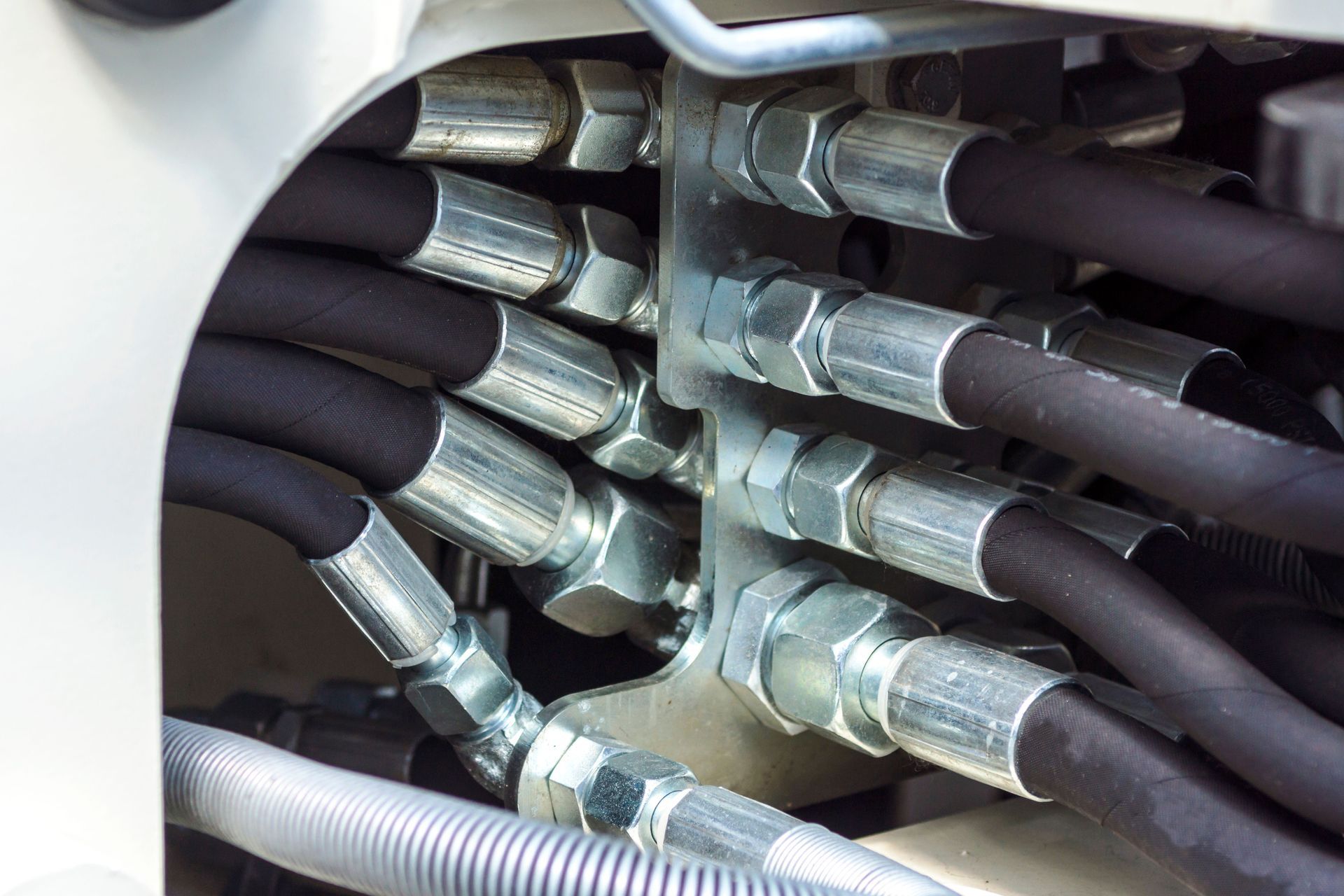
Hose fittings and connections are critical junctions within a hydraulic system, and they are often the first points of failure. Corrosion, looseness, or misalignment can compromise the seal and lead to leaks or pressure loss.
From a maintenance strategy standpoint, these components should be inspected with the same rigor as the hoses themselves. Addressing issues at connection points through hydraulic hose repairs not only resolves immediate concerns but also strengthens overall system integrity and reduces the likelihood of cascading failures.
9. Tracking Repeated Failures as Indicators of Systemic Issues
If a hydraulic hose repeatedly fails in the same location, it is a strong indication of an underlying systemic issue. This could stem from improper routing, excessive vibration, or environmental stressors that have not been adequately addressed.
In such cases, hydraulic hose repairs must be accompanied by a root-cause analysis. Simply replacing the hose without addressing the contributing factors will result in recurring failures and ongoing operational inefficiencies. A strategic approach ensures long-term resolution rather than short-term fixes, enabling more sustainable operations and stronger return on maintenance investment.
Ultimately, the need for hydraulic hose repairs should not be viewed as a reactive burden but as a proactive opportunity. Each of the signs outlined above represents a data point that can inform smarter maintenance decisions and more efficient operations.
Organizations that embed preventative maintenance into their operational framework are better positioned to minimize downtime, reduce costs, and enhance safety outcomes. Hydraulic hose repairs, when executed strategically, become a lever for performance optimization rather than a response to failure. In today's competitive landscape, this proactive mindset differentiates high-performing organizations from those that are consistently reacting to avoidable disruptions.
By recognizing these signs early and aligning maintenance strategies with long-term operational goals, businesses can ensure that their hydraulic systems remain reliable, efficient, and fully optimized for sustained success. Additionally, fostering a culture of continuous monitoring and accountability empowers teams to identify risks sooner, respond faster, and maintain consistent operational excellence across all equipment assets. If you're looking for hydraulic hose repairs, don't hesitate to contact Heavy Equipment Machinery Inc. Our team of experienced technicians, including our owners who are heavy equipment mechanics themselves, brings over 150 years of combined industry experience to every job. We work with major construction and mining companies across Arizona and the entire United States, providing the tools and skills necessary to keep your operations running smoothly. Call us today to get started!